


Home / Journal / Interdisciplinary Education and Psychology
Academic Buoyancy as a Predictor of English Language Performance among Form Three Students in Uasin GishuCounty, Kenya
Academic buoyancy Resilience English language performance English proficiency Positive psychology Language learning Secondary school education
Chepkemoi Mercy, Mutua Josphine Ngina, Oluoch James Ndege
DOI: 10.31532/InterdiscipEducPsychol.5.1.001 06 Dec 2025
Download

Abstract
English language performance is crucial for any society, especially in today's globalised world. However, a consistent pattern of below-average performance has been observed worldwide, particularly in Uasin Gishu County, Kenya. Most studies have examined various factors linked to poor English performance, paying less attention to the role of academic buoyancy, especially in the Kenyan context. This study, therefore, aimed to determine whether academic buoyancy predicts English performance among Form Three learners in Uasin Gishu County, Kenya. The research was grounded in the resilience theory. Additionally, the study employed a correlational design with a sample of 387 Form Three students, including 218 males and 169 females. Data analysis involved Pearson’s product-moment correlation coefficient and linear regression. The results indicated that academic buoyancy had a significant positive correlation with English performance (r (373) = .23, p < .01). Furthermore, the results revealed that academic buoyancy explained 5% of the variance in English performance, F (1, 373) = 21.02, p < .001. These findings highlight academic buoyancy as a key factor that enhances English language performance. Consequently, it offers informative guidance to the teachers of English, curriculum developers, and other school stakeholders on the importance of fostering academic buoyancy in education, such as by building students’ self-confidence to improve success in learning English.
Keywords
Academic buoyancy; Resilience; English language performance; English proficiency; Positive psychology; Language learning; Secondary school education
Introduction
The English language plays a vital role in enhancing a country’s education and driving its economic, social, and political development, as its significance as a lingua franca extends beyond just communication (Shrishthy, 2023). Further, the English language is used as a medium of instruction in many educational institutions, facilitating effective learning even in other subjects (Tuyishime & Andala, 2024). As a result, proficiency in English at the secondary school level improves a learner's chances of admission to higher institutions, allowing them to pursue their careers (Khan et al., 2020). This, in turn, strengthens a country’s educational system. Economically, the English language fosters innovation, enables international trade, and allows people to participate in the global market (Education First [EF], 2024). Therefore, proficiency in the English language promotes both personal progression and national development.
Global Trends in English Proficiency Despite the importance of the English language, there is a challenge concerning English language proficiency within the global community. The Education First proficiency index (2024) indicates that English proficiency has been decreasing over the past four years, with 60% of countries recording lower scores than in previous years. This decline was partly attributed to the over-reliance on AI and the shift to online learning.
In Latin America, Davies (2021) reports poor performance in the English language in Mexican high schools and universities, citing factors such as learning resources, students’ motivation, and attitudes towards foreign language learning. On to the Asian continent, Naz et al. (2021) observed low achievement in the English language at the intermediate level among Pakistan students, identifying factors including powerlessness over academic performance, learning environments, management of educational stress and emotions, and attitudes towards the second language.
Research conducted in Africa has also documented the same trend. For instance, Yaadow (2022) highlighted the persistent failure in the English language among Ghanaian students in the West African Senior School Certificate Examination (WASSCE). Some of the contributing factors were unqualified teachers, limited time allocation to the subject, and insufficient learning resources.
The Kenya Certificate of Secondary Education (KCSE) Examination report indicates that Kenyan students consistently achieve below-average results in the English language. Since 2018, the Kenya National Examination Council [KNEC] has reported that English KCSE results have stayed below the average of 6.00 points (KNEC, 2022). The average scores for English from 2018 to 2022 were 4.36, 4.92, 4.36, 4.42, and 4.56, respectively. Inspired by the nationwide problem, Cheptabok and Onchera (2024) conducted a study in Homabay, Kenya that further affirmed learners’ difficulties in spoken English. Among the challenging areas addressed in the study were oral skills, grammar, vocabulary utilisation, and public speaking. The issue was attributed to a lack of practice, a fear of making mistakes, and a lack of speaking opportunities in the classroom.
In a similar fashion, poor performance in the KCSE English language has been reported among students in Uasin Gishu County, Kenya. The mean scores for the years 2021 to 2023 are 3.58, 3.93, and 3.70, respectively (statistics from the county’s office, 2024). This worrying trend has contributed to the country’s overall poor KCSE results. Despite government initiatives to address this issue, the trend persists, raising significant concern among education stakeholders, prompting the need for urgent measures to alleviate the perennial poor English language performance menace.
Academic Buoyancy in Second Language Learning Many studies have examined the factors that influence English language performance. Among other factors mentioned are external ones such as extensive reading, cultural factors, harsh environments, instructional technologies, and techniques (Kule et al., 2025). Psychological factors have also been identified, including shyness, anxiety, lack of confidence, lack of self-esteem, and lack of motivation (Qureshi et al., 2020). Most researchers have explored the relationship between these psychological factors and English language performance, such as attitude (Lambatan & Valle, 2024), motivation (Julian & Dauba, 2024; Sihotang et al., 2023), self-confidence (Moradiyousefabadi & Ghafournia, 2023; Pham et al., 2021), and metacognitive strategies (Mwangi et al., 2024; Omare, 2020).. However, less attention has been paid to the impact of stress and emotional control on academic performance, despite Naz et al. identifying it as a contributor to poor learning outcomes - this view is further supported by Córdova et al. (2023).
Language learning presents various challenges, and a learner’s ability to effectively manage them is vital for their success. Martin and Marsh 2008 describe this skill of navigating daily school stress as ‘academic buoyancy.’ Martin and Marsh (2010) identified five aspects of academic buoyancy, known as the 5Cs: confidence, coordination, composure, and control.
With the recent shift towards positive psychology, an approach that emphasises focusing on an individual’s positive traits to help them flourish, academic buoyancy has become an aspect of this field that has gained attention in educational contexts. Studies indicate that academic buoyancy has a significant correlation with English language achievement (Zhai, 2025).
In Turkey, Çelen (2020) aimed to determine whether academic resilience, the conceptualized L2 motivation self-system, academic buoyancy, and learners' proficiency in the English test are correlated. Using a correlational research design, 436 tertiary-level students aged 17 to 65 years were assessed. The results from structural equation modelling (SEM) analysis indicated that academic buoyancy predicted English language achievement with an effect size f²= .05, p < .001. The study employed a unidimensional academic buoyancy questionnaire to evaluate the participants, whereas the current study used a multidimensional academic buoyancy questionnaire that captured different facets of academic buoyancy. Consequently, this enhanced the validity of the current research’s results.
Yang et al. (2024) conducted a study to examine the relationship between foreign language academic buoyancy and the academic achievement of Chinese high school learners in the English language. The quantitative research design involved 375 senior high school students. Regression analysis results showed that foreign language academic buoyancy explained 23.6% of the variancein the English language, R2 =0.24, p < .001, with a standardised regression coefficient of β = 0.49, p < .001. This indicated a significant positive predictive effect of foreign language academic buoyancy on academic achievement. The researchers recruited participants from local senior schools; therefore, the results cannot be generalised to students in other school categories, such as national schools. Consequently, the current study aimed to obtain a representative sample by selecting students from sub-county, county, extra-county, and national schools.
Conversely, in Australia, Colmar et al. (2019) conducted a study on the relationships between academic buoyancy and academic performance (in mathematics and reading) among primary school students, focusing on the mediating effect of self-concept. The study used a correlational design, involving 191 primary pupils. The results showed significant relationships among the study variables mediated by self-concept; however, the findings indicated that academic buoyancy did not directly predict mathematics (β = -.06, p > .05) nor reading performance (β = -.09, p > .05) Colmar et al’s 2019 study sampled primary school learners in years four and five (9 to 11 years) — the sample varied from that of the current research, whose participants were adolescents aged 15 to 17 years.
A study was conducted in Egypt by Khalaf and Abulela (2021) to validate the structure and invariance of the Academic Buoyancy Scale across gender and culture. A total of 191 Egyptian and 154 Omani undergraduates were sampled. The correlational analysis, used to confirm the scale’s convergent validity, revealed a significant correlation between academic buoyancy and academic achievement for both the Egyptian and Omani samples (r = 0.435, r = 0.457, p < 0.01, respectively). The study only identified the relationship between the variables, whereas the current study employed a predictive correlational design that further established the predictive relationship between the variables.
Gaps in the African context Most studies on the relationship between academic buoyancy and English language performance report similar results, with only a few showing different outcomes. However, the majority of the research has been conducted outside Africa, limiting the relevance of the findings to African countries such as Kenya, which has a culture that might influence learners' academic buoyancy (Dahal et al., 2018). Given the scarcity of studies and the conflicting results, it was necessary to carry out this study to assess whether the findings are comparable across different cultures and academic settings.
Theoretical Framework
According to Rutter (2013), resilience is the ability to succeed despite facing adversities. Rutter also explains that resilience results from the interaction between risk (bad) factors and protective (good) factors. He further argues that resilience is not a personal trait but an adaptation that individuals develop when they have the necessary resources to protect them from challenges. These include mental aspects such as self-efficacy, self-control, self-agency, determination, self-reflection, and planning, as well as social factors like a positive mother-sibling relationship, which is crucial in safeguarding against emotional instability.
The 5cs identified by Martin represent the mental elements in this theory. The theory was important in the study as it explains how these protective mechanisms (5cs of academic buoyancy) enhance academic success. Drawing from the same theory, Demir's (2023) study found that psychological resilience was connected to students’ academic achievement. This highlights the importance of resilience for students to succeed.
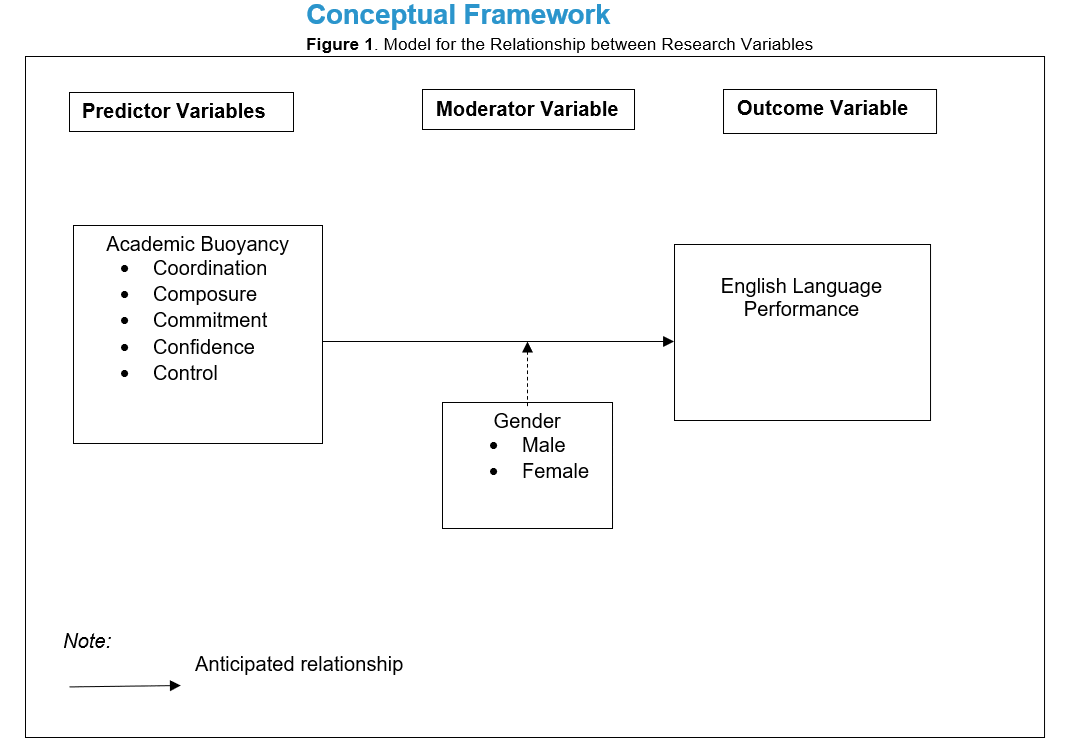
Source: Researcher’s conceptualization (2025)
The conceptual framework shows the hypothesised relationship between students' academic buoyancy and their English language performance. It is expected that academic buoyancy predicts students’ English language performance, and gender is assumed to moderate this relationship.
Material and Methods
Design The correlational research design, which helps identify relationships between the study variables and enables prediction, was used in this study (Putri et al., 2025). This approach thus allowed the researcher to determine whether learners’ academic buoyancy is related to their English language performance and whether it can predict English language performance.
Research Methodology The study employed a quantitative approach. This approach involves collecting, analysing, and interpreting quantifiable data to support the formulated hypothesis in a study. It allows the researcher to gather data from a large sample size, making it time-efficient, and the results are generalizable (Taherdoost, 2022).
Participants of the Study The research focused on 2951 high school students in Moiben sub-county, Uasin Gishu County, Kenya. Slovin’s (1960) formula was used to determine 352 participants, which was further increased by 9.9% to account for non- response, as recommended by Johnson and Christensen (2019), leading to a final study sample of 387 participants.
To promote inclusivity and representation, the participants were selected from different gender groups (males and females) and various school categories (National, Extra-County, County, and Sub-County schools. The sample comprised 169 (43.7%) females and 218 (56.3%) males, proportionate to their respective populations in the sub-county. The participants had a mean age of 17.43 years (SD = 1.01), and were drawn from 10 different school categories based on their ratio to the overall sub-county’s population. A larger proportion of the sample was from the sub-county schools.
Data Collection Instruments The study adapted the self-report Academic Buoyancy Scale (ABS) by Oner and Erden (2024) to gather data on learners' academic buoyancy levels. The instrument assesses the learners' capacity to overcome daily challenges while learning English. It consists of 26 items across five sub-scales that correspond to the five dimensions of academic buoyancy: coordination, control, composure, commitment, and confidence. Responses were rated on a 5-point Likert scale, where 1 indicated complete disagreement and 5 denoted perfect agreement. Out of the 26 items, 10 were reverse-scored. The overall score was calculated by summing the scores of each dimension, ranging from 26 (lowest) to 130 (highest).
Pilot Study A pilot study was conducted with a sample of 40 students from a school that was not part of the main study. This was done to clarify any ambiguities, determine if the time allocated for the questions was sufficient, and to check on the instrument’s validity and reliability.
Validity of the Research Instrument
The researcher consulted with peers and experts from the Department of Educational Psychology, Kenyatta University. Their feedback, along with that from the pilot study, was used to improve the content validity of the research instrument. Furthermore, Oner and Erden (2024) affirmed the convergent validity of the Academic Buoyancy Scale, indicating that the average variance extracted (AVE) for each level ranged from .45 to .56.
Reliability of the instrument
The Academic Buoyancy Scale’s internal consistency reliability was assessed using Cronbach’s alpha coefficient, which was found to be .91, with each dimension ranging from .71 to .85 (Oner & Erden, 2024). A pilot study was also conducted to confirm the instrument’s reliability. The pilot test results indicated an alpha coefficient of .79; therefore, the instrument was adapted. The English language performance of learners was assessed using their end-of-term two English examination. To enable fair comparability of scores across different schools, which potentially had varying student populations or employed various grading systems and different levels of exam difficulty, the scores were converted to Z-scores and then to T-scores (Rodríguez‐Violante et al., 2024).
Ethical Consideration
The researcher was trained on ethical data management before the commencement of the study. Additionally, the researcher obtained a clearance letter from the Kenyatta University Review Board and from the National Commission for Science, Technology and Innovation (NACOSTI). Permits were also obtained from the Director of Education and the Commissioner of the County in Uasin Gishu. The researcher also explained the research aims to the participants. Furthermore, the researcher sought assent and consent from the participants, who were assured of the confidentiality of their responses.
Data Collection
The researcher guided the respondents on how to complete the questionnaire before they spent 40 minutes filling it out. The researcher concluded by expressing gratitude to the learners who completed the questionnaires.
Data Analysis
The data were coded and cleaned before being analysed using the Statistical Package for Social Sciences (SPSS) version 25. A total of 12 questionnaires were excluded during cleaning, as some had more than five unanswered items, provided multiple responses, contained incorrect admission numbers, or were outliers. This resulted in 375 valid questionnaires, giving a response rate of 96.9%. The incomplete questionnaires were excluded for more accurate results. This method was chosen because the incomplete questionnaires were random and few (Williams, 2015). It was analysed using a linear regression method to determine the predictive power of academic buoyancy on English language performance. This technique assesses the predictive value of one predictor variable on a single outcome variable.
Results
Descriptive Analysis The study aimed to examine the relationship between academic buoyancy and performance in the English language. Prior to inferential data analysis, a descriptive analysis of academic buoyancy was carried out, with results as shown in Table 1.
Table 1. Descriptive Statistics of Academic Buoyancy
N |
Minimum |
Maximum |
Range |
Mean |
SD |
Skewness |
Kurtosis |
375 |
70 |
122 |
52 |
95.78 |
10.39 |
-0.15 |
-0.35 |
Note. N = 375, N- Number of participants, SD - Standard deviation,
Table 1 shows that the lowest academic buoyancy score was 70, while the highest was 122, with a score range of 52. The average score was 95.78 (SD = 10.39), indicating that the respondents rated themselves highly on academic buoyancy. The coefficient of skewness was -0.15, suggesting most scores were around average or above, and the kurtosis coefficient was -0.35, indicating a platykurtic distribution, which means few students had extremely low or high scores. Both skewness (-0.15) and kurtosis (-0.35) scores fell within the acceptable limits of ±2 and ±7, implying a normal distribution of scores.
Descriptive analysis was also done on the five dimensions of academic buoyancy. The results are shown in Table 2.
Table 2. A Descriptive Analysis of the Five Dimensions of Academic Buoyancy
Subscale |
Minimum |
Maximum |
Range |
M |
SD |
Skewness |
Kurtosis |
Commitment |
2.14 |
5.00 |
2.86 |
4.00 |
.56 |
-0.615 |
0.123 |
Composure |
1.67 |
5.00 |
3.33 |
3.30 |
.65 |
-0.163 |
-0.388 |
Confidence |
1.20 |
5.00 |
3.80 |
4.12 |
.66 |
-0.860 |
0.928 |
Coordination |
1.00 |
5.00 |
4.00 |
2.90 |
.91 |
-0.014 |
-0.665 |
Control |
1.75 |
5.00 |
3.25 |
3.94 |
.74 |
-0.678 |
-0.027 |
Note. N = 375; M = Mean; SD – Standard Deviation
Table 2 shows that the highest average score was recorded in the confidence subscale (M = 4.12, SD = 0.66), with a score range from 1.20 to 5. Commitment followed with a mean of 4.00 (SD = 0.56). The highest and lowest scores were 2.14 and 5, respectively. Thirdly was the control subscale with an average score of 3.94 (SD = 0.74). The scores ranged from 1.75 to 5. The composure subscale showed a mean of 3.30 (SD = 0.65), with a score range between 1.67 and 5. Lastly, the coordination subscale recorded the lowest score, with a mean of 2.90 (SD = 0.91) and a score range between 1 and 5. All five subscales’ skewness and the kurtosis values suggested that the data followed a standard curve.
A descriptive analysis of academic buoyancy per school type was done. Table 3 shows the results.
Table 3. Descriptive Statistics of Academic Buoyancy by School Type
School Type |
n |
Minimum |
Maximum |
Range |
M |
SD |
Skewness |
Kurtosis |
National |
49 |
73 |
116 |
43 |
97.16 |
10.21 |
-0.341 |
0.008 |
EC |
37 |
78 |
116 |
38 |
97.41 |
11.17 |
-0.091 |
-1.107 |
County |
15 |
78 |
111 |
33 |
94.87 |
10.20 |
0.031 |
-0.872 |
SC |
274 |
70 |
122 |
52 |
95.36 |
10.34 |
-0.152 |
-0.220 |
Note. N = 375; M = Mean; SD – Standard Deviation; EC – Extra-County; SC -Sub-County
From the data displayed in Table 3, the average academic buoyancy score among students from National Schools was (M = 97.16, SD = 10.21). The mean scores for students from extra-county schools and county schools were (M = 97.41, SD = 11.17) and (M = 94.87, SD = 10.20), respectively. Students from sub-county schools had a mean score of (M = 95.36, SD = 10.34). Scores of students from national schools ranged from 73 to 116, giving a range of 43. Extra-county school students scored between 78 and 116, with a range of 38. County school students' scores ranged from 78 to 111, resulting in a range of 33, while students from sub-county schools scored between 70 and 122, with a range of 52. These results indicate that students from national schools recorded the highest average score, whereas county schools had the lowest. The students with the highest and lowest academic buoyancy scores were from sub-county schools.
To identify whether the variance in the means across the types of schools was statistically significant, Analysis of Variance (ANOVA) was conducted. The results are presented in Table 4.
Table 4. An ANOVA Summary Table for the School Type Differences
|
Sum of Squares |
df |
Mean Square |
F |
Sig. |
Between Groups |
252.05 |
3 |
84.02 |
.78 |
.51 |
Within Groups |
40154.58 |
371 |
108.23 |
|
|
Total |
40406.63 |
374 |
|
|
|
Note. N = 375
Table 4 indicates that there were no significant mean differences among the school types, F (3, 371) = .78, p > .05. This indicated that academic buoyancy’s mean differences across the schools were not statistically significant, suggesting that the type of school did not likely influence a student’s academic buoyancy.
Further, a descriptive analysis of academic buoyancy by gender was performed among the schools. Table 5 indicates the descriptive analysis results.
Table 5. Descriptive Statistics of Academic Buoyancy by Gender
Gender |
n |
Minimum |
Maximum |
Range |
M |
SD |
Skewness |
Kurtosis |
Male |
209 |
70 |
122 |
52 |
94.23 |
10.46 |
-0.01 |
-0.38 |
Female |
166 |
70 |
121 |
51 |
97.73 |
9.99 |
-0.32 |
-0.08 |
Note. N = 375; M = Mean; SD – Standard Deviation
As displayed in Table 5, the highest and the lowest ratings achieved by female students were 70 and 122, respectively, with a mean score (M = 97.73, SD = 9.99). Male students, on the other hand, had 70 a minimum score and a maximum of 121, with a mean score (M = 94.23, SD = 10.46). These results indicated that female students surpassed their male counterparts in academic buoyancy.
The researcher further performed an independent T-test to ascertain whether the mean difference was significant. The results are displayed in Table 6.
Table 6. A T-Test Summary Table for the Gender Differences in Students’ Academic Buoyancy
|
|
Levene's Test |
t-test for Equality of Means |
|||||||||
|
|
F |
Sig |
t |
df |
Sig. (2-tailed) |
Mean Difference |
Std. Error Difference |
95% Cl of the Difference |
|||
|
|
|
|
|
|
|
|
|
Lower |
Upper |
||
Academic buoyancy |
Equal variances assumed |
.46 |
.50 |
-3.28 |
373 |
.001 |
-3.50 |
1.07 |
-5.60 |
-1.40 |
||
Equal variances not assumed. |
|
|
-3.30 |
360.52 |
.001 |
-3.50 |
1.06 |
-5.59 |
-1.41 |
|||
Note. N = 375
The results for Levene’s Test in Table 6 indicated equal variance, F (373) = 0.46, p > 0.05. The t-test shows a statistically significant mean difference in academic buoyancy for males and females, t (373) = -3.28, p < .05.
The researcher also performed A descriptive analysis of the English language scores, and the outcome is displayed in Table 7.
Table 7. A Descriptive Analysis of English Language Scores
Score Type |
N |
Minimum |
Maximum |
Range |
M |
SD |
Skewness |
Kurtosis |
Raw |
375 |
6.00 |
80.00 |
74.00 |
35.51 |
17.16 |
0.42 |
-0.55 |
T -score |
375 |
32.80 |
75.93 |
43.13 |
50.00 |
10.00 |
0.42 |
-0.55 |
Table 7 shows that the raw scores in the English language ranged from 6 to 80, with a mean of 35.51 (SD = 17.16), while the T-scores ranged from 32.80 to 75.93. The skewness of 0.42 indicated that most students' scores clustered around the mean, with a few higher scores. The kurtosis of -.55 suggested a platykurtic distribution, meaning scores were fairly evenly spread with few extreme values. Both skewness and kurtosis values fell within the acceptable range for a normal curve.
Hypothesis Testing
The study aimed to determine the predictive relationship between academic buoyancy and performance in the English language. The following null hypothesis was developed.
H01: There is no significant predictive weight of academic buoyancy on English language performance.
Before performing the analysis, the following regression assumptions were first tested: normality, linearity, homoscedasticity, and multicollinearity.
To check for normality, the skewness and kurtosis coefficients for academic buoyancy were -0.15 and -0.35, respectively (see Table 1). At the same time, for English language performance, they were 0.42 and -0.55, respectively (see Table 7). The skewness values for both variables were within the minimum and maximum acceptable range of (±2). Their kurtosis coefficient was also within the acceptable limits of (±7) as recommended by Hair et al. (2010), indicating a normal distribution.
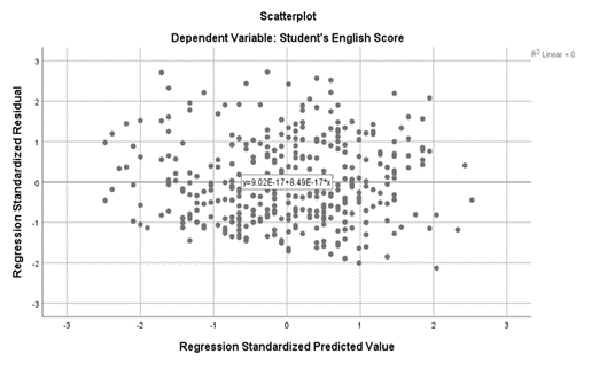
The linearity and homoscedasticity assumptions were assessed through a scatter plot (Figure 2) and a residual plot (Figure 3). The regression line indicated a linear relationship between the study variables. The residual plot indicates an even distribution of the residuals along the predicted values.
To test the assumption of multicollinearity, the Variance Inflation Factor was 1.00, which was below 10, and the tolerance value of 1.00 exceeded 0.1 (see Table 10), as recommended by (Senaviratna & Cooray, 2019). This indicates that the variables are not correlated with each other.
Figure 2 . Scatterplot on the Relationship between Academic Buoyancy and English Language Performance
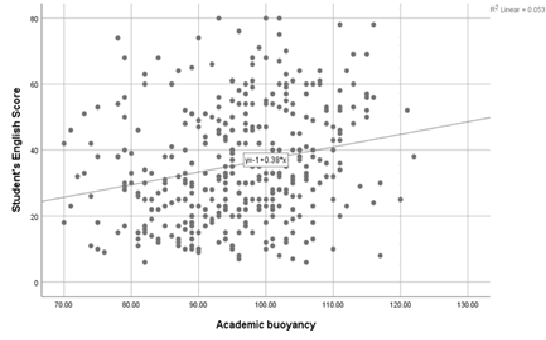
Figure 3 . Residuals Plot for the Relationship between Academic Buoyancy and English Language Performance
Having ascertained that all the assumptions have been met, a correlational analysis was performed before the regression analysis. Table 8 presents the results of this correlational analysis.
Table 8. Correlation between Academic Buoyancy and English Language Performance
|
English Language Performance |
Academic buoyancy |
.23** |
Note. N = 375, ** - Correlation is significant at the 0.01 level (2-tailed).
The results in Table 8 demonstrate a positive and statistically significant relationship between academic buoyancy and English language performance, with (r (373) = .23), p < .01). These findings suggest that a rise in academic buoyancy levels among students leads to higher scores in English. Following this, it was concluded that academic buoyancy is significantly related to English language performance.
Having found a significant correlation between the two variables, the researcher went further to conduct a simple linear regression analysis. Table 9 presents the results of the linear regression analysis.
Table 9. Model Summary for the Regression Analysis of the Prediction of English Language Performance by Academic Buoyancy
Model |
R |
R2 |
Adj. R2 |
SEE |
∆R2 |
∆F |
df1 |
df2 |
Sig. F Change |
1 |
.23a |
.05 |
.05 |
16.72 |
.05 |
21.02 |
1 |
373 |
.000 |
Note. N = 375
Table 9 indicates an adjusted R² value of 0.05. This implies that academic buoyancy accounts for 5% of the variance in the English language. The model was statistically significant, F (1, 373) = 21.02, p < .001. This corresponds to a Cohen's 𝑓2 of 0.06, which is considered a small effect. The results provided enough evidence; thus, the null hypothesis was rejected.
The regression coefficients of the regression analysis are presented in Table 10.
Table 10. Regression Coefficients of the Regression Analysis of the Prediction of English Language Performance by Academic Buoyancy
Model |
|
B |
SEE |
β |
t |
Sig. |
Tolerance |
VIF |
1 |
(Constant) |
-1.00 | 8.0 |
|
-.13 |
.90 |
|
|
|
AB |
.38 |
.08 |
.23 |
4.59 |
.000 |
1.00 |
1.00 |
Note. N = 375; AB=Academic buoyancy; VIF=Variance inflation factor
a. Dependent Variable: English language performance
Table 10 shows that the unstandardized coefficient for academic buoyancy was B = 0.38 (SE = 0.08), 95% CI [0.22, 0.55], t (373) = 4.59, p < .001. This suggests that for each unit increase in academic buoyancy, English language scores rise by .38 units. The following prediction equation was derived from the results:
ỹ = - 1.00 + 0.38(AB) Where: ỹ = predicted English language score; AB = Academic buoyancy;
The researcher then performed another regression analysis, including gender as a covariate to account for any confounding effects. The results are presented in Table 11.
Table 11. Regression Coefficients of the Regression Analysis of the Prediction of English Language Performance by Academic Buoyancy Accounting for Gender
Model |
|
B |
SEE |
β |
t |
Sig. |
Tolerance |
VIF |
1 |
(Constant) |
-0.98 |
8.11 |
nbsp; |
-.12 |
.90 |
|
|
AB |
.38 |
.08 |
.23 |
4.52 |
.000 |
0.97 |
1.03 |
|
Gender |
-.03 |
1.77 |
-.001 |
-0.02 |
.986 |
0.97 |
1.03 |
The results in Table 11 indicates that the inclusion of gender as a control variable did not have any statistical significance in the relationship between academic buoyancy and English language performance (β = -.001, SE=1.77, p > .05). This suggests that gender is not a significant confounding variable. As a result, the initial prediction model was upheld.
Discussion
The research results revealed a predictive relationship between these two variables; academic buoyancy significantly forecasted English language performance. The positive predictive weight of academic buoyancy on English language performance indicates that a rise in academic buoyancy may result in an improvement in English language performance. This emphasises the importance of academic buoyancy in the language learning process. These findings support the resilience theory proposed by Rutter (2013), which highlights the significance of the protective factors (aligning with the dimensions of academic buoyancy; 5Cs), in supporting an individual in difficult moments, enabling them to effectively navigate through the hurdles and achieve positive outcomes. Furthermore, the findings confirm previous research that academic buoyancy is a vital component for academic success.
The language learning process is challenging and filled with daily stressors such as poor grades, exam deadlines, and difficult concepts (Martin & Marsh, 2008). Therefore, a learner requires protective factors to persist through the setbacks and achieve proficiency. According to Martin and Marsh (2006), academically buoyant students enjoy school, participate in class, and generally have high self-esteem. Consequently, enabling them to perform well.
However, while the results show some degree of cross-cultural consistency, it is important to consider that factors such as multilingualism in Kenya may shape a student’s ability to navigate through challenges. For instance, it enhances cognitive skills such as executive functioning (These include planning and control which are part of the dimensions of academic buoyancy); problem-solving skills, which help them navigate through hurdles (Daud, 2024); their communication skills (Oliinyk et al., 2024), which enable them to seek help when faced with challenges and to code-switch or code-mix during lessons when faced with difficult lesson concepts; thus grasping the content (Hafid & Margana, 2022). Consequently, this may influence how academic buoyancy impacts English language performance.
Additionally, the 5% variance accounted for by academic buoyancy suggests the presence of other variables that may explain the variance in English language performance. These include mediators such as self-concept (Colmar et al., 2019), learning engagement and English learning burn-out (Cai & Liu, 2025), and confounders such as socioeconomic status (Chen, 2025; Munir et al.,2023) and teacher support (Ansong et al., 2024; Li & Liu, 2023), hope and enjoyment (Gao, 2025). As a result, the relationship between academic buoyancy and English language performance in Uasin Gishu County should be inferred with caution.
This study’s findings align with those reported by Çelen (2020) who assessed the correlation between academic buoyancy among university students in Turkey. The findings revealed that academic buoyancy predicts English language achievement among higher education students. Further, the study sampled tertiary learners, while the current study selected high school students; nonetheless, similar results were observed. This suggests that academic buoyancy may influence performance across various educational levels.
Moreover, the current findings support those of Yang et al. (2024), who examined the relationship between foreign language academic buoyancy and scores in English tests among senior high school students in China. The study was anchored on the theories of positive psychology. Whereas the study was conducted in China, the current study was done in Kenya. However, despite the difference in the setting, the results suggest that academic buoyancy may significantly predict second language success.
¬Furthermore, the current findings support those of Khalaf and Abulela (2021), who examined 191 Egyptian and 154 Omani undergraduates. The study demonstrated a significant link between academic buoyancy and academic achievement for both the Egyptian and Omani groups. The consistency in results shows that, regardless of different cultural backgrounds and populations, academic buoyancy may be a universal factor influencing learners' academic success.
Contrarywise, Colmar et al. (2019) reported differing findings in their study examining the relationships between academic buoyancy and academic performance in both mathematics and reading. The results suggested that academic buoyancy did not directly predict performance in either subject. Academic buoyancy predicted performance with academic self-concept as mediator. However, it is notable that the study involved primary school students, who differ in age from the secondary school learners sampled in the current study.
Limitations
It is essential to acknowledge the limitations of this study when interpreting its results, as they may impact their relevance. For instance, the research only involved public school students; therefore, the results may not apply to learners who do not attend public schools. The study also sampled only schools from Uasin Gishu County; hence, the findings may not be generalisable beyond Uasin Gishu County. Furthermore, since the study employed a self-report questionnaire for data collection, response and common method bias may have occurred. However, the researcher addressed this by explaining to participants the importance of honest responses and reassuring them that their responses would remain confidential. Notably, to check for the presence of common method bias, Harman’s single-factor test was conducted, which showed that the largest factor explained 12.83% of the total variance, below the 50% threshold. This suggests that common method bias was unlikely to have impacted the results.
The research employed a cross-sectional correlational design to investigate the relationship between variables. However, the adoption of a cross-sectional correlational design does not establish causality between the study variables over time. Therefore, any interpretation regarding the cause-and-effect and temporal relationships should be done with caution.
Conclusions and Implications
The results of this research revealed that academic buoyancy significantly predicts performance in the English language. The statistical analysis indicates that high levels of academic buoyancy correlate with higher levels of English scores, albeit the effect size established in the current study is small. This suggests that students who can handle daily academic challenges with confidence, commitment, composure, and a sense of control and coordination are more likely to do well in English. Consequently, developing daily resilient skills could potentially lead to success in language learning. However, the small effect size signals the presence of other variables that may impact the students’ English language performance more significantly.
Recommendations
English Language instructors and curriculum developers should support learners in developing academic buoyancy skills such as self-confidence, commitment, and coordination, which can enhance their language performance. Curriculum developers may achieve this by incorporating resilience-themed stories into classroom textbooks and set books (Wangchuk, 2021). Teachers of English, on the other hand, can promote academic buoyancy by assigning manageable tasks before more difficult ones; consistent achievement helps build confidence to tackle more challenging tasks (Halilsoy, 2024). Additionally, teachers and school counsellors can incorporate buoyancy training sessions in their teaching.
To further develop this study, future research should examine this relationship across different populations, such as private school students and university students, to enhance the generalizability of the findings. Additionally, more research should employ a longitudinal design to determine the predictive relationship between the two variables over time.
Acknowledgement
I deeply appreciate my supervisors, Dr. Josphine Mutua and Dr. James Oluoch, for their consistent guidance throughout this research. I also wish to extend my gratitude to the school heads and teachers who generously assisted me during data collection. Many thanks to my family, Kennedy, Dayian, and Jayden, for their invaluable support during my studies.
Funding
The research received no funding from any organization or institution.
References
- Ansong, D., Okumu, M., Amoako, E. O., Appiah-Kubi, J., Ampomah, A. O., Koomson, I., & Hamilton, E. (2024). The role of teacher support in students' academic performance in low-and high-stakes assessments. Learning and Individual Differences, 109, 102396. https://doi.org/10.1016/j.lindif.2023.102396
- Cai, Y., & Liu, H. (2025). Uncovering the relationship between buoyancy and academic achievement in language learning: The multiple mediating roles of burnout and engagement. Behavioral Sciences, 15(10), 1304. https://doi.org/10.3390/bs15101304
- Çelen, E. (2020). A structural equation model on EFL tertiary level students' academic buoyancy, academic resilience, reconceptualized L2 motivational self-system, and their academic achievement [Master's thesis, Bilkent Universitesi (Turkey)]. Bilkent Universitesi (Turkey) ProQuest Dissertations & Theses. https://search.proquest.com/openview/a0a15dcbcc8c917e8f4ccacb39837ab1/1?pq-origsite=gscholar&cbl=2026366&diss=y
- Cerna, L., Brussino, O., & Mezzanotte, C. (2021). The resilience of students with an immigrant background: An update with PISA 2018. OECD Education Working Papers, (261), 0_1-69. https://dx.doi.org/10.1787/e119e91a-en
- Chen, M., Liu, S., Wijaya, T. T., & Cao, Y. (2025). Influence of family socioeconomic status on academic buoyancy and adaptability: Mediating effect of parental involvement. Acta Psychologica, 253, 104753. https://doi.org/10.1016/j.actpsy.2025.104753
- Cheptabok, M. C., & Onchera, P. O. (2024). Challenges faced by students in developing English language speaking skills in public secondary schools in Homa Bay County, Kenya. Journal of Frontiers in Humanities and Social Sciences, 2(3), 80–98. https://doi.org/10.69897/jofhscs.v2i3.167
- Colmar, S., Liem, G. A. D., Connor, J., & Martin, A. J. (2019). Exploring the relationships between academic buoyancy, academic self-concept, and academic performance: A study of mathematics and reading among primary school students. Educational Psychology, 39(8), 1068-1089. https://doi.org/10.1080/01443410.2019.1617409
- Córdova, A., Caballero-García, A., Drobnic, F., Roche, E., & Noriega, D. C. (2023). Influence of stress and emotions in the learning process: The example of COVID-19 on university students: A narrative review. Healthcare, 11(12), 1787. https://doi.org/10.3390/healthcare11121787
- Dahal, J., Prasad, P. W. C., Maag, A., Alsadoon, A., & Hoe, L. S. (2018). The effect of culture and belief systems on students’ academic buoyancy. Education and Information Technologies, 23(4), 1465-1482. https://doi.org/10.1007/s10639-017-9672-4
- Daud, R. (2024). The cognitive benefits of speaking multiple languages. European Journal of Linguistics, 3(4), 1–16. https://ideas.repec.org/a/bhx/ojtejl/v3y2024i4p1-16id2055.html
- Davies, P. (2021). Appropriate English teaching for Latin America. Tesl-Ej Publications.
- Demir, B. (2023). The mediating effect of academic resilience on the relationship between psychological resilience and academic achievement. International Journal of Educational Research, 14(3), 52–67. https://doi.org/10.19160/e-ijer.1253101
- Education First. (2024). EF EPI EF English Proficiency Index: A ranking of 116 countries and regions by English skills.
- Gao, F. (2025). Academic buoyancy and achievement among EFL learners: The mediating roles of hope and enjoyment. Acta Psychologica, 260, 105595. https://doi.org/10.1016/j.actpsy.2025.105595
- Grotlüschen, A., Belzer, A., & Yasukawa, K. (2025). Adult literacy education and the sustainable development goals in four case countries: can’t get there from here. International Journal of Lifelong Education, 1–18. https://doi.org/10.1080/02601370.2024.2439961
- Hafid, H., & Margana, M. (2022). Code-switching practices in multilingual classrooms: Exploring pedagogical functions. Al-Ishlah: Jurnal Pendidikan, 14(2), 2551-2562. http://journal.staihubbulwathan.id/index.php/alishlah/article/view/1326
- Hair, J. F., Black, W. C., Babin, B. J., & Anderson, R. E. (2013). Multivariate data analysis. Pearson.
- Halilsoy, T. (2024). The importance of self-confidence. Akademik Tarih ve Düşünce Dergisi, 11(5), 2975–2989. https://doi.org/10.46868/atdd.2024.803
- İlter, İ., Aksoy, N. C., & Ceylan, M. (2025). The relationships between parental involvement, teacher support, and mathematics performance: Mediating roles of academic self-efficacy and academic buoyancy. BMC Psychology, 13(1), 1–17. https://doi.org/10.1186/s40359-025-03547-6
- Johnson, R. B., & Christensen, L. B. (2019). Educational research: Quantitative, qualitative, and mixed approaches. Sage Publications.
- Julian, D., & Dauba, J. (2024). Relationship between English language learning motivation and students' language performance. International Research Journal of Modernization in Engineering, Technology and Science, 6(10), 1206–1221. https://www.researchgate.net/publication/384880513
- Katalbas, D. A., Ng, C., & Marquez, V. (2023). An investigation of the relationship between academic buoyancy and academic performance among senior high school students: A quantitative research approach. International Journal of Metaverse, 1(1), 11–16. https://www.e-palli.org/index.php/ijm/article/view/1474
- Khalaf, M. A., & Abulela, M. A., A. (2021). The academic buoyancy scale: Measurement invariance across culture and gender in Egyptian and Omani undergraduates. European Journal of Educational Research, 10(4), 2121–2131. https://doi.org/10.12973/eu-jer.10.4.2121
- Kule, J., Tumwesigye, B., & Mugabe, A. (2024). An analysis of the factors affecting the mastery of English language skills among English as a foreign language university students: Strategies for improvement. Eastern Africa Journal of Contemporary Research, 4(2), 102–114. https://eajcr.org/index.php/eajcr/article/view/57
- Lambatan, R. L., & Valle, A. M. (2024). Pupils’ attitude and performance in English. International Journal of Multidisciplinary Research and Analysis, 7(6), 2477–2485. https://doi.org/10.47191/ijmra/v7-i06-08
- Martin, A. J. (2006). Personal bests (PBs): A proposed multidimensional model and empirical analysis. British Journal of Educational Psychology, 76(4), 803–825. https://doi.org/10.1348/000709905X55389
- Martin, A. J., & Marsh, H. W. (2008). Academic buoyancy: Towards an understanding of students' everyday academic resilience. Journal of School Psychology, 46(1), 53–83. https://doi.org/10.1016/j.jsp.2007.01.002
- Munir, J., Faiza, M., Jamal, B., Daud, S., & Iqbal, K. (2023). The impact of socio-economic status on academic achievement. Journal of Social Sciences Review, 3(2), 695–705. https://doi.org/10.54183/jssr.v3i2.308
- Mwangi, E. W., Mwaniki, E. W., & Mutua, J. N. (2024). Metacognition as a correlate of academic achievement among high school students in Nairobi County, Kenya. Interdisciplinary Education and Psychology, 4(1), 2. https://riverapublications.com/assets/files/pdf_files/metacognition-as-a-correlate-of-academic-achievement-among-high-school-students-in-nairobi-county-kenya.pdf
- Naz, S., Nawaz, S., Liaqat, S., Rasheed, T., & Fatima, S. (2021). Effects of social and psychological factors on students’ learning achievements in English at intermediate level in Pakistan. PalArch's Journal of Archaeology of Egypt/Egyptology, 18(4), 443-462. https://archives.palarch.nl/index.php/jae/article/download/6046/5942
- Ngososei, T. (2023). Influence of teachers’ interactive strategies on students’ discipline in secondary schools in urban areas in Uasin Gishu County, Kenya [Doctoral dissertation, University of Eldoret]. University of Eldoret Research Repository. http://41.89.164.27/handle/123456789/2073
- Ngugi, M. W. (2020). Factors leading to continued dismal performance in Kenya Certificate of secondary education examination (KCSE) in day public secondary schools in Timboroa zone, Tarakwa Sub-County, Uasin Gishu County, Kenya [Doctoral dissertation, Gretsa University]. Gretsa University Repository. https://ir.gretsauniversity.ac.ke/handle/20.500.12736/1971
- Oliinyk, O., Bevz, N., Shuliakov, I., & Derevianko, I. (2024). The impact of multilingual education on developing communication skills for university students within foreign language learning. Traduction et Langues, 23(1), 125–142. https://doi.org/10.52919/translang.v23i1.973
- Oner, M. İ., & Erden, A. M. (2024). Academic Buoyancy: A scale development and validation study. Uluslararası Türk Eğitim Bilimleri Dergisi, 12(1), 298–336. https://doi.org/10.46778/goputeb.1417508
- Pham, A. T., Hong, H. T., Chau, T. T., Le, N. V. A., Tran, P. T. T., & Nguyen, M. N. N. (2021). The relationships between students’ self-confidence and their English-speaking performance: a case study of English-majored students at a private University in Vietnam. European Journal of Education Studies, 8(9), 18–35. http://dx.doi.org/10.46827/ejes.v8i9.3872
- Putri, L., Rezani, M. R., & Hermina, D. (2025). Correlational research design. Jurnal Riset Multidisiplin Edukasi, 2(6), 306–317. https://journal.hasbaedukasi.co.id/index.php/jurmie/article/download/456/432
- Qureshi, H., Javed, F., & Baig, S. (2020). The effect of psychological factors on English speaking performance of students enrolled in postgraduate English language teaching. Global Language Review, 5(2), 101–114. https://doi.org/10.31703/glr.2020(VII).11
- Rodrigues, M. R., & Magre, S. (2018). Role of academic buoyancy in enhancing student engagement of secondary school students. English-Marathi, Quarterly, 7(2), 110-122. https://www.researchgate.net/profile/Sunita-Magre/publication/378684448
- Rodríguez-Violante, M., Hernández-Medrano, A. J., & Cervantes-Arriaga, A. (2024). The importance of standardized assessment. Movement Disorders Clinical Practice, 11(Suppl 3), S15–S20. https://doi.org/10.1002/mdc3.14085
- Ruegg, R., Hoang, H., & Petersen, N. (2024). The influence of English language proficiency test scores on the academic success of ESL undergraduate students. Educational Research and Evaluation, 29(3–4), 111–129. https://doi.org/10.1080/13803611.2024.2314533
- Rutter, M. (2013). Annual research review: Resilience–clinical implications. Journal of Child Psychology and Psychiatry, 54(4), 474–487. https://doi.org/10.1111/j.1469-7610.2012.02615.x
- Senaviratna, N. A. M. R., & Cooray, T. M. J. A. (2019). Diagnosing multicollinearity of logistic regression model. Asian Journal of Probability and Statistics, 5(2), 1–9. https://doi.org/10.9734/AJPAS/2019/v5i230132
- Shrishthy, S. (2023). Importance of English language for global understanding and for global education. International Journal for Research Trends and Innovation, 7(7), 116–120. https://www.researchgate.net/profile/Shrishthy-s/publication/369361975
- Sihotang, L. A., Sipayung, K. T., & Silitonga, H. (2023). The relationship between motivation and English language test performance among students SMP N 37 Medan. Innovative: Journal of Social Science Research, 3(6), 249–262. https://j-innovative.org/index.php/Innovative/article/view/6272
- Taherdoost, H. (2022). What are different research approaches? Comprehensive review of qualitative, quantitative, and mixed method research, their applications, types, and limitations. Journal of Management Science & Engineering Research, 5(1), 53–63. https://hal.science/hal-03741840v1
- Tuyishime, D., & Andala, H. O. (2024). Influence of English language usage on students' academic performance in physics in public secondary schools in Rwanda. A case of Gakenke District. Journal of Research Innovation and Implications in Education, 8(4), 206–218. https://doi.org/10.59765/3593bqspy84
- Wangchuk, D. (2021). Building Resilience: An intervention to enrich positive outcome in personality traits amongst students. Journal of Humanities and Educational Development (JHED), 3(3), 67–76. https://dx.doi.org/10.22161/jhed.3.3.7
- Williams, R. (2015). Missing data part 1: Overview, traditional methods. Notre Dame: University of Notre Dame.
- Yaadow, D. A. B. R. I. (2022). Assessing students’ performance in English language in second cycle institutions case study of Gushegu senior high school [Doctoral dissertation, University of Education, Winneba]. UEWScholar Institutional Repository. http://41.74.91.244:8080/handle/123456789/3223
- Yang, C., Li, H., & Zheng, Y. (2024). Relationship between foreign language academic buoyancy, enjoyment and academic achievement among Chinese senior high school students. https://dx.doi.org/10.2139/ssrn.4980459
- Zhai, K. (2025). Exploring the relationships between academic buoyancy, engagement, and achievement in English reading among EFL learners. Sage Open, 15(3), 1–13. https://doi.org/10.1177/21582440251357156